







Search Results for: Caffeine metabolite

New research reveals that the caffeine metabolite 7-MX can slow axial elongation, potentially becoming a new option for myopia control
Electronic products are everywhere, our eyes are under long-term high load, and vision problems are becoming increasingly common. About 30% of the world's population is currently affected by myopia, and this proportion is expected to climb to 50% by 2050, with the share of high myopia not to be ignored. A recent study published in the British Journal of Ophthalmology found that the caffeine metabolite 7-MX can inhibit axial elongation in the human eye, thereby potentially slowing the progression of myopia. Based on more than two decades of medical records for 711 children in Denmark, the study offers a new potential drug direction for myopia prevention and control. This article will explain in detail the study's findings, data, and limitations, and discuss the future application prospects of 7-MX. [more…]
Does milk tea also contain caffeine? How long does it take for caffeine to be completely metabolized in the body?
In the afternoon, you invite a friend to grab coffee, only to be politely turned down with "I'm afraid I won't be able to sleep tonight"—and instead, they order a milk tea. Sound familiar? But what you may not know is that milk tea also contains caffeine. Caffeine is a natural stimulant found widely in more than sixty plants, including coffee beans, tea leaves, kola nuts, and cacao beans, and it also appears in synthetic form in medications, energy drinks, and even chewing gum. Caffeine content varies considerably across different beverages: a roughly 225-gram cup of coffee contains 95 to 200 milligrams, a 340-gram can of cola about 35 to 45 milligrams, a 225-gram can of energy drink about 70 to 100 milligrams, and a 225-gram cup of tea between 14 and 60 milligrams. This article walks you through how caffeine is absorbed in the body, when it peaks, and its half-life, as well as which factors determine how quickly it is fully metabolized, helping you schedule your coffee and milk tea more scientifically. [more…]
Analysis of Coffee Drinking Frequency and Health Risks: Ochratoxin A Contamination Levels and Population Exposure Assessment
Coffee is an essential daily beverage for many people, but discussions surrounding its safety have never ceased. As a fungal metabolite that may contaminate coffee, can ochratoxin A cause health damage to long-term drinkers? Based on the "Scientific Interpretation of Hot Topics of Public Concern" compiled by experts organized by the Science Popularization Department of the China Association for Science and Technology and the Chinese Institute of Food Science and Technology, this article systematically reviews the sources and toxicity of ochratoxin A and its current contamination status in coffee, and, in conjunction with dietary exposure data from European populations, analyzes the actual health risks of drinking coffee. At the same time, in light of the characteristics of coffee consumption in China, it provides a scientific and rational assessment conclusion to help coffee lovers eliminate unnecessary concerns and enjoy every cup of coffee with peace of mind. [more…]
Detailed Guide to Brewing Phoenix Dancong Oolong Tea: Water Temperature and Timing to Unlock the Tea's Aroma
The subtle differences in brewing water temperature often determine the direction of a tea's flavor. The correct water temperature can awaken the hidden aromas and tastes in the tea leaves, while the wrong water temperature may make the tea bitter or bland. Taking Front Street's Phoenix Dancong oolong tea as an example, this article provides a detailed analysis of the ideal brewing temperatures for different tea types, and explores the relationship between water temperature and tea processing methods, oxidation levels, and polyphenolic compounds. At the same time, we will also share practical water temperature control techniques and recommend Front Street brand's Phoenix Dancong products, helping you easily master the optimal water temperature and timing in everyday brewing, and fully release the unique charm of oolong tea. [more…]
The Three Major Coffee Processing Methods: Washed, Natural, and Honey—A Full Analysis of Flavor Differences and Processing Details
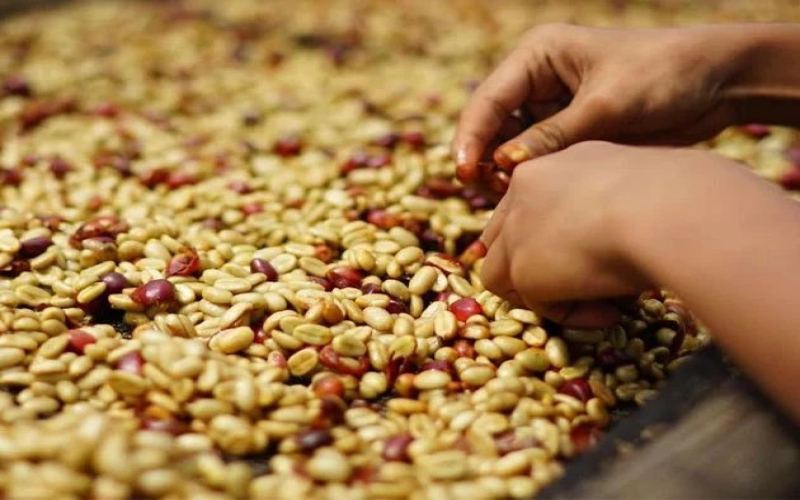
The flavors of coffee are endlessly varied. Beyond variety and roasting, the fermentation process during green coffee processing plays a decisive role. The three common methods—natural, washed, and honey—each rely on different fermentation environments and microbial activity to shape distinctly different sweetness, acidity, and body. This article begins with the scientific principles of fermentation, systematically sorts out the differences between dry and wet fermentation, explains in detail the key points of natural, honey, washed, and Kenyan-style and Ethiopian-style washed processing, and includes Front Street Coffee's recommendations and buying advice to help you understand more clearly where the flavors in your cup come from. [more…]
A Complete Guide to Coffee Bean Fermentation Processing: Flavor Differences and Key Techniques of Natural and Washed Methods
Coffee fermentation processing is a key step that determines the final flavor, and different processing methods bring completely different taste experiences. Starting from the basic principles of fermentation, this article systematically sorts out the characteristics of dry fermentation and wet fermentation, and analyzes in detail the specific processes and flavor trends of the three common processing methods: natural, honey, and washed. Whether you are a beginner coffee enthusiast or a seasoned player hoping to refine your brewing skills, understanding the differences among these processing methods can help you more accurately select and taste coffee beans. The article also specifically introduces the unique features of Ethiopian-style and Kenyan-style washing, as well as related product recommendations from Front Street Coffee, taking you into the wonderful world of green coffee processing. [more…]
Anaerobic Fermentation and Red Wine Processing: The Principles, Evolution, and Front Street Brewing Practices of Specialty Coffee Bean Processing Methods
In recent years, anaerobic fermentation and red wine processing methods have continued to gain popularity in the specialty coffee world. From the promotion by 2015 WBC champion Sasa Sestic to the early explorations of Costa Rican coffee farmers, these processing techniques, which draw on winemaking ideas, have brought coffee rich flavors such as strawberry jam, fermented wine aromas, and tropical fruits. This article systematically reviews the scientific principles of anaerobic fermentation, its essential differences from traditional processing methods, and the specific operational workflow of carbonic maceration. It also combines two representative beans from Front Street Coffee—Colombia Flower Moon Night and Panama Hartmann—to share roasting and brewing parameters, helping coffee lovers gain a deeper understanding of the core logic of this special processing method. [more…]
What are the flavor differences between Wudong Dancong and Phoenix Dancong? Price trends and cost per catty explained
Wudong Dancong and Fenghuang Dancong both belong to the Fenghuang Mountain tea region, yet due to differences in altitude, soil, and cultivation methods, they present distinctive aromas and flavors. This article approaches from the perspectives of aroma types, mountain terroir, and tea tree cultivation, sorting out the flavor differences between the two, and answering why Wudong Dancong is relatively expensive and what budget is roughly needed per catty. At the same time, combined with Front Street Tea's recommendations, it helps coffee and tea enthusiasts more clearly understand the quality logic and brewing key points of Dancong tea. [more…]
Analysis of the Fermentation Mechanism and Pros and Cons of the Washed Process: From Fruit Structure to Cup Flavor
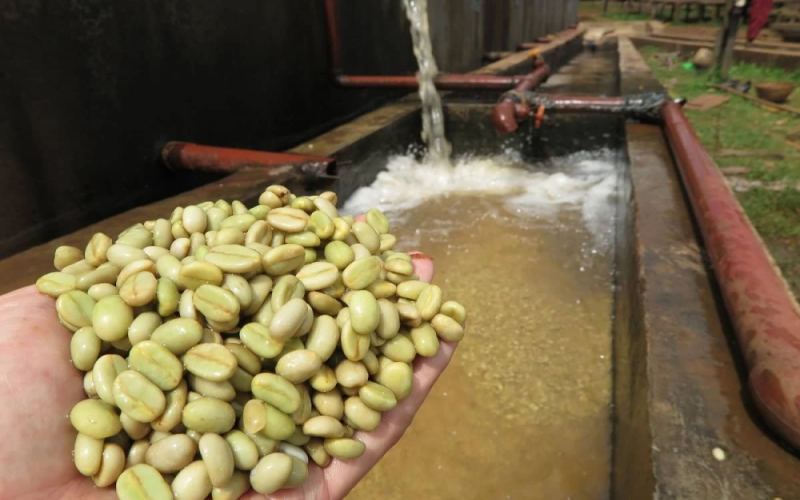
As one of the most classic processing methods in the specialty coffee world, the core of the washed process lies in precisely removing the skin, pulp, and pectin layer from the coffee fruit through steps such as flotation, mechanical depulping, microbial fermentation, and washing with clean water. This process not only significantly reduces the defect rate of green beans and shortens the drying cycle, but also gives the coffee beans higher cleanliness and clearer expression of regional flavors. This article will systematically sort out the complete workflow and fermentation principles of the washed method, analyze its advantages and cost trade-offs compared with processing methods such as natural, and, in combination with the product lineup of Front Street Coffee's everyday drinking bean series, help readers understand why the washed process has become an important choice for presenting the true character of a producing region. [more…]

Warning from a 13-Year-Old Girl with 12 Cavities: One Milk Tea a Day Acid-Eroded Her Teeth into Plaster
The first cup of milk tea in autumn, the first cup of the school year—milk tea is seen by many young people as a source of happiness, but overindulging can bring serious health risks. Xiaoliu, a 13-year-old eighth-grade girl in Hangzhou, drank a cup of milk tea almost every night to stay alert due to study pressure, which ultimately led to severe cavities in all 12 of her teeth and a diagnosis of "dental erosion." Doctors point out that milk tea not only contains a large amount of hidden sugar, but long-term consumption can also worsen tooth demineralization and corrosion. This article will recount the course of the incident, analyze the causes and harms of dental erosion, and offer practical advice for milk tea lovers on protecting their teeth. [more…]
Where Does the Aroma of Colombia Rose Valley Coffee Come From? Analyzing the Role of Volcanic Soil and Anaerobic Enzyme Washed Flavor Formation
Front Street Colombia Rose Valley has become a highly talked-about coffee on the bean list thanks to its signature flavors of peach, cranberry, liqueur chocolate, and rose florals. Where exactly does its intense aroma come from? Is it a flavored bean? This article traces the real causes of Rose Valley's flavor step by step, from the volcanic soil of the Santander growing region and the characteristics of the Caturra variety to the anaerobic enzyme washed processing method that rose to prominence after 2014, and includes Front Street Coffee's in-store V60 brewing parameters and three-pour extraction steps to help you recreate at home that cup combining berry-like acidity with caramel sweetness. [more…]
What Is the Safe Daily Caffeine Limit? Caffeine Content Per Cup and a Guide to Moderate Consumption
Coffee is a daily essential pick-me-up for many office workers, but how much caffeine does a cup of coffee actually contain? How many cups a day is considered moderate? This article examines caffeine content estimates, safe intake limits, and the risks of overdose and toxicity to outline the key scientific points coffee lovers need to know about drinking coffee. It covers reference caffeine values for different coffee drinks, hidden caffeine sources in energy drinks, and intake recommendations for children and adults, helping you more precisely manage your daily caffeine intake and protect your health while enjoying the flavor of coffee. [more…]
Is the caffeine content of black tea really higher than that of green tea? Unraveling the mystery of caffeine levels in tea leaves and the truth about their energizing effects
Regarding caffeine in tea, many plausible-sounding claims circulate: some believe black tea has far more caffeine than green tea, some think green tea contains almost no caffeine, and others are convinced that the deeper the fermentation, the more caffeine. Is any of this actually true? All tea leaves from the tea plant—unless decaffeinated—inherently contain caffeine, and the level depends more on plucking tenderness, tea cultivar, cultivation methods, and climate conditions than on the degree of fermentation or oxidation. Buds and newly opened leaves have the highest caffeine concentrations, African Assamica tea plants are generally higher than Chinese varieties, and older leaves plucked in autumn tend to be lower. In addition, theanine, unique to tea, works synergistically with caffeine to deliver a calm yet alert lift—quite different from the jolt of coffee. This article breaks down these factors one by one and explains why Front Street Coffee labels the caffeine content of the teas it sells, helping you make a more suitable choice based on your own tolerance. [more…]
Caffeine Content Calculation | How Much Caffeine Is in a Cup of Pour-Over Coffee? What Is a Suitable Daily Caffeine Intake? What Determines the Caffeine Content of Coffee?
"Which coffee on the menu has the least caffeine?" "I really want to drink coffee, but I'm afraid I won't be able to sleep at night if I do~" In the eyes of most people, coffee is a beverage consumed precisely for its stimulating effect, but its own aroma also attracts a group of friends who pursue delicious flavors, among whom there are quite a few who are intolerant to caffeine yet "greedy for a taste" [more…]
A Complete Analysis of Caffeine Content in Coffee Beans: How Variety, Altitude, and Extraction Method Affect the Kick in Your Cup
Many people drink coffee for the caffeine kick, but do you actually know how much caffeine is in a single coffee bean? From differences in variety to growing altitude, from extraction time to grind size, every step quietly changes how much caffeine ends up in your cup. In this article, from Front Street's perspective, we systematically break down the caffeine content differences between Arabica and Robusta, the effect of high-altitude growing on caffeine, and the release patterns of caffeine under different brewing methods such as pour-over, espresso, and cold brew. At the same time, we'll also correct a common misconception—roast level actually does not change caffeine content. Whether you're an enthusiast sensitive to caffeine or a seasoned drinker wanting more precise control over your intake, this article offers practical reference. [more…]

Is Roast Level Related to Caffeine Content? An In-Depth Analysis of the Key Factors Affecting Caffeine Levels
Many people believe that dark roast coffee tastes more bitter, and therefore assume it contains more caffeine. But is that really true? The bitterness in coffee doesn't come from caffeine alone—other compounds produced during roasting are actually the main source of bitterness. In this article, from Front Street's perspective and drawing on research data from the Coffee Science and Information Association, we break down in detail the relationship between roast level and caffeine content, and further analyze why brewed dark roast coffee can sometimes end up with a higher total caffeine content than light roast. Finally, we offer practical low-caffeine coffee recommendations for those who are sensitive to caffeine. [more…]
Comparing Caffeine Content in Different Coffee Drinks: A Complete Analysis from Espresso to Cold Drip Cold Brew
Many people drink coffee for the energy boost, but some want to enjoy the flavor while worrying that caffeine will affect their sleep. How much caffeine does a cup of coffee actually contain? It depends on multiple factors such as the coffee bean variety, growing altitude, and extraction method. In this article, Front Street Coffee will systematically sort out the differences in caffeine content among common coffee drinks, from espresso, pour-over, and French press to ice drip and cold brew, providing reference values one by one. At the same time, it will clarify two common misunderstandings about caffeine: how to calculate the daily intake limit, and whether the roast level really affects caffeine content. For those who are caffeine-sensitive, the article also offers decaf alternatives. [more…]
An In-Depth Analysis of Caffeine Content: How Much Is in a Cup of Coffee? Daily Safe Intake and Effects on the Body
Many coffee enthusiasts are in the habit of starting the day with a cup of coffee, but do you really know how much caffeine you're drinking? People often assume coffee is the drink with the highest caffeine content, but that's not actually the case—tea leaves actually contain twice as much caffeine as coffee beans. So how much caffeine do different varieties of coffee beans really contain? How much is in a cup of pour-over, cold brew, or espresso? And how much caffeine per day is safe for an adult? This article starts with coffee bean varieties, breaks down the caffeine content of each brewing method one by one, gives practical figures based on extraction efficiency, and finally answers the popular question of how many cups of coffee you can drink per day at most. Front Street Coffee store information is included at the end of the article for readers' reference. [more…]

How Many Cups of Coffee a Day Is Still Within the Limit? A Detailed Breakdown of How Many Pour-Over and Espresso Cups 400 mg of Caffeine Equals
Moderate coffee consumption is beneficial for adults, and research shows that the upper limit for daily caffeine intake is about 400 milligrams. But how much caffeine does a cup of pour-over or espresso actually contain? And how many cups does that translate to? This article starts from the questions of customers at Front Street stores, and uses angles such as the difference in caffeine content between Arabica and Robusta, and the effect of extraction rate on caffeine dissolution, to gradually estimate the approximate caffeine content of a cup of coffee, and provide a reference for the number of cups corresponding to 400 milligrams. At the same time, it will also introduce the characteristics of decaf coffee and the Colombian decaf coffee on the Front Street bean list, helping coffee lovers who want to drink a few more cups without exceeding the limit find a compromise. [more…]
Caffeine Content in Coffee Beans | Why Does Coffee Keep You Alert? Which Coffee Is the Most Energizing? How Much Caffeine Is in a Cup of Black Coffee? What Is the Daily Caffeine Intake Limit?
The most fundamental purpose of coffee is to provide a boost of energy. Whether it's an espresso you gulp down before rushing off, the ever-present drip coffee in the office, or a pour-over single-origin you go out of your way to a café for, they all share that stimulating effect. It's just that people choose what suits them based on different settings, needs, and taste preferences. [more…]